

 Analysis by Gamescozy
I find CookieRun: Kingdom easiest to understand when I think of it as two games sharing one cheerful world: a team-based role-playing adventure and a kingdom you gradually build and tend. That combination gives it more variety than a straight battle-focused RPG, but it also means there is more to look at and manage. The central question for me is not just whether you like collecting characters; it is whether you enjoy switching between battles and a busy, decorative home screen.
Reading the kingdom and finding your way
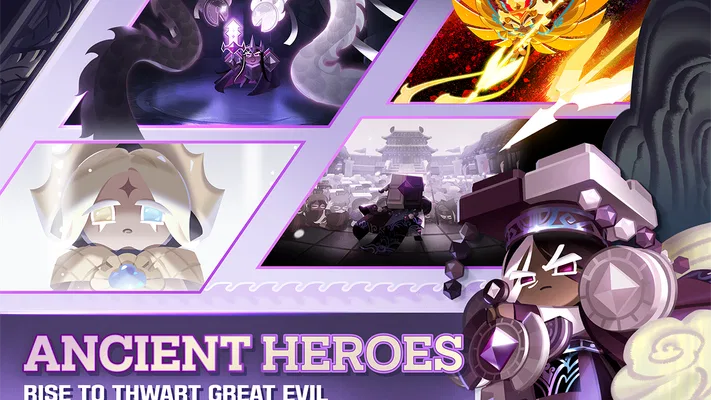
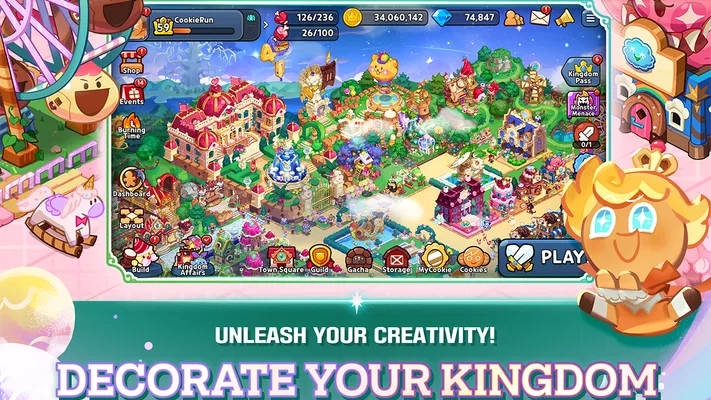
The game’s visual identity is bold and characterful, with cookie heroes and buildings that are easy to distinguish from one another at a glance. That helps when I am scanning the kingdom for a familiar character or deciding where to focus. At the same time, the screen can feel crowded as the town grows. Buildings, characters and activity compete for attention, so players who prefer uncluttered interfaces may need a little patience while learning where things are.
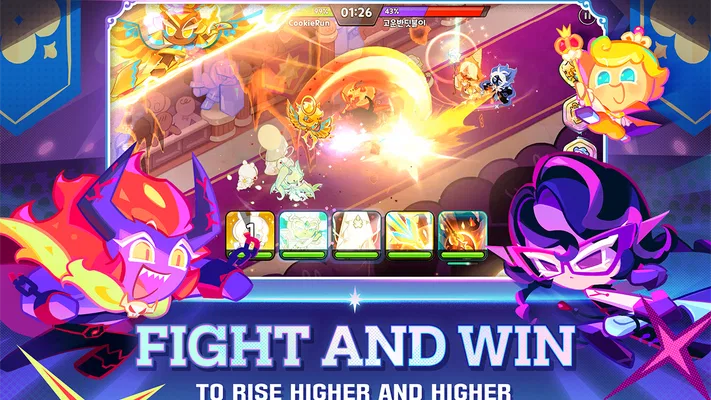
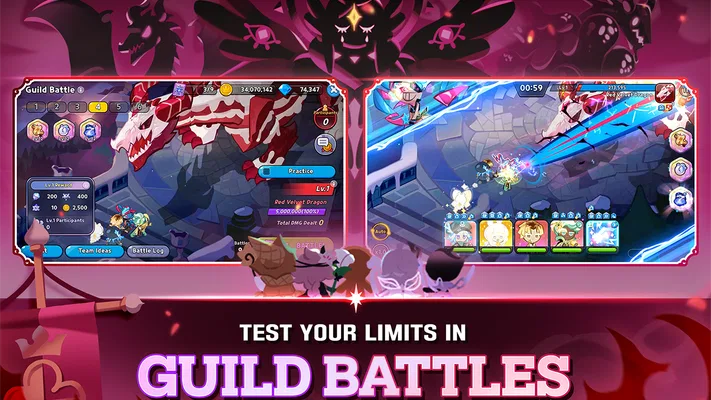
Navigation is tied closely to the game’s two-part structure. I can move from tending the kingdom to sending a team into an adventure, then return to the town-building side. This makes the game feel varied, but it asks me to keep track of different goals: progressing through battles is not quite the same task as developing the kingdom. I recommend approaching one small objective at a time rather than trying to absorb every option on the screen in a single session.
That distinction is useful for players with different levels of familiarity with role-playing games. Someone new to the genre can enjoy the town and learn the battle side gradually, while an experienced player may quickly focus on assembling a team and advancing through encounters. The trade-off is that neither half is entirely separate: the game is most satisfying when I give both sides some attention.
Small routines make a busy screen easier
One practical habit is to decide what I want from a visit before opening the game. If I have only a short break, I focus on a quick kingdom check rather than wandering through every activity. When I have more time, I can switch to adventure progress and think about which characters belong together. This self-imposed order makes the interface feel less demanding, especially when several different tasks are vying for attention.
I also find it helpful to treat kingdom building as a gradual project instead of a design test. The appeal is in watching the place develop alongside the adventure, not in making every corner perfect immediately. Players who enjoy arranging a personal space may find this side relaxing; those who want a direct route from one battle to the next may see the town as an interruption.
Playing with different motor and sensory needs
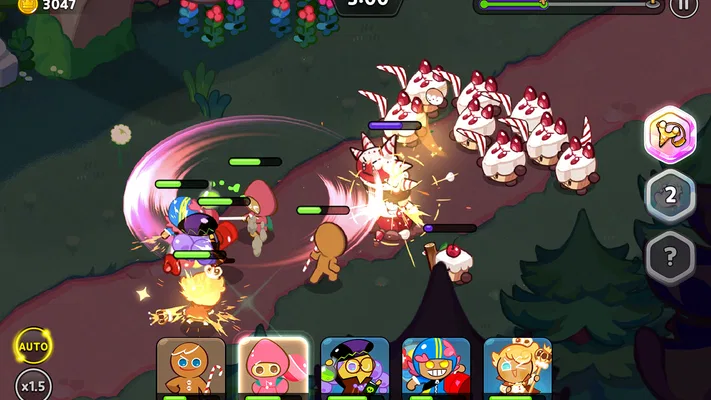
Because this is a mobile RPG with both town interaction and battles, it suits players who are comfortable tapping around a screen and moving between menus. The cute art and strong character designs give the game a light tone, but the amount of visual activity can still be tiring for someone sensitive to busy screens. I would not assume that a playful presentation automatically makes the experience calm: a kingdom full of activity can demand more visual attention than its soft style first suggests.
For players who find rapid or precise touch interaction difficult, the key question is whether the game’s ordinary interactions feel manageable on their device. I would try a brief session and notice whether moving around the kingdom and handling battles feels comfortable, rather than committing to long play periods right away. A short trial also reveals whether the screen’s movement and visual density are enjoyable or fatiguing.
Audio is another personal consideration. I would check the game in the context where I expect to play it and see whether sound is helpful, distracting or simply unnecessary for me. The important point is not to presume that every player experiences a lively game in the same way. A quiet setting, a lower-stimulation moment, or a shorter session may make the game more comfortable for some people than playing amid other demands.
As a role-playing game, team decisions add a more reflective layer to the experience. I can pause between encounters to think about the lineup rather than treating every moment as a test of quick reactions. That makes the adventure appealing to players who like planning and character combinations. Still, anyone seeking a purely hands-off experience or a game built around minimal menus may find this one too involved.
Choosing a session that fits the moment
A realistic everyday use case is opening the game during a quiet stretch at home, checking the kingdom, then continuing an adventure when I have enough time to focus. On a crowded commute or in a brief queue, the town side may be the more natural place to spend a few moments, while a longer battle session can wait until interruptions are less likely. This is not a promise that every activity fits a particular number of minutes; it is simply a useful way to match the game’s two modes to the attention I have available.
That flexibility is one of the stronger points of the design. I do not have to approach every visit with the same goal, and the kingdom gives the game a sense of progress beyond winning a fight. But frequent interruptions can make it harder to remember where I was in an adventure or what I intended to do next. If I know I will be repeatedly distracted, I would keep my goal simple rather than starting a session with several plans.
The game is free to download, which makes trying its style straightforward, but it includes optional in-app purchases priced from $0.99 to $209.99 per item. I would set a spending limit before playing, particularly if collecting characters and strengthening a team are part of what keeps me engaged. The purchase range is broad, and free access should not be confused with an obligation to buy; players who prefer a strictly purchase-free experience should be ready to ignore optional offers.
How it compares, and where friction remains
Compared with a conventional mobile RPG built mainly around battles, CookieRun: Kingdom gives more space to managing a growing home base. That is its clearest point of difference: I can enjoy the kingdom-building rhythm as well as the adventure, rather than treating the world as a sequence of combat screens. In contrast, someone who wants the quickest possible route into action may prefer a more focused battle game. Someone primarily looking for a deep town-design simulator may also want a title where arranging a space is the central activity, not one part of a broader RPG.
The mix can be a strength or a source of friction depending on how I like to play. If I enjoy changing pace, building a team and returning to a familiar town, the two modes support each other. If I dislike switching contexts, the game can feel like it keeps asking me to move between separate kinds of attention. That is worth considering before installing, especially for players who already know that menus and multiple ongoing goals can be draining.
There is also a difference between a game that is easy to start and one that stays easy to follow. The friendly visual style lowers the emotional barrier to trying it, but the wider set of things to manage can take time to feel natural. I would not judge the whole experience by the first few screens. Give yourself room to learn the rhythm, and notice whether the combination of kingdom and adventure becomes satisfying or simply adds clutter.
Devsisters Corporation developed the game, which is listed as a role-playing title. It was released on January 19, 2021, and its age rating is Everyone 10+. It has a 4.8 average from around 1.5 million ratings, with more than 10 million installs. Those figures suggest a widely played game, but they do not settle the personal question that matters more: whether its busy, dual-purpose structure fits your habits.
Who I would recommend it to
I would recommend it to someone who likes collecting a team, making gradual progress and having a home base to return to between adventures. It is especially appealing if you enjoy a bright, character-led world and do not mind spending some of your attention on organization as well as battles. The kingdom side can make a short check-in feel different from an adventure session, which helps the game avoid feeling like one long chain of encounters.
I would be more cautious about recommending it to players who need a quiet, sparse interface, strongly dislike optional purchases, or want a game that can be picked up without tracking several kinds of progress. It may also be a poor match for someone who wants one clearly defined activity rather than town management and RPG play together. Those are not flaws for every player, but they are real reasons to choose a simpler alternative.
For Android players, the listed minimum operating system is 7.1. If you are considering a device for someone else, I would pair that compatibility check with a practical one: let them try a short session and see how the screen density, touch interaction and change of pace feel. The age rating and friendly art can help frame expectations, but an individual’s comfort with the interface is a better guide than appearance alone.
A welcoming game, with a busy side to consider
My overall impression is that CookieRun: Kingdom offers a more varied role-playing experience than a battle-only game, and its town gives progress a place to live. I like that I can alternate between building and adventure, but I would not call the experience effortless for every player: the lively screen and multiple goals ask for attention, and optional purchases make spending boundaries worth deciding in advance.
If you enjoy colorful character teams and the satisfaction of developing a kingdom over time, I think it is worth trying. If your priority is minimal visual stimulation, very direct navigation or a single, uncomplicated gameplay loop, another kind of RPG may suit you better. The best way to decide is to start with one modest goal, play in a setting that feels comfortable, and see whether the combination makes you want to return.